
Athletes Need a Second Sport. Noah Henry Picked Golf.
The athletes who hang up the cleats at twenty-two have to figure out what their bodies are for next. Most do not. Noah Henry's path — college soccer, a semi-pro try, a job with the Cardinals, a creative practice for performance brands, and now golf — is one answer.
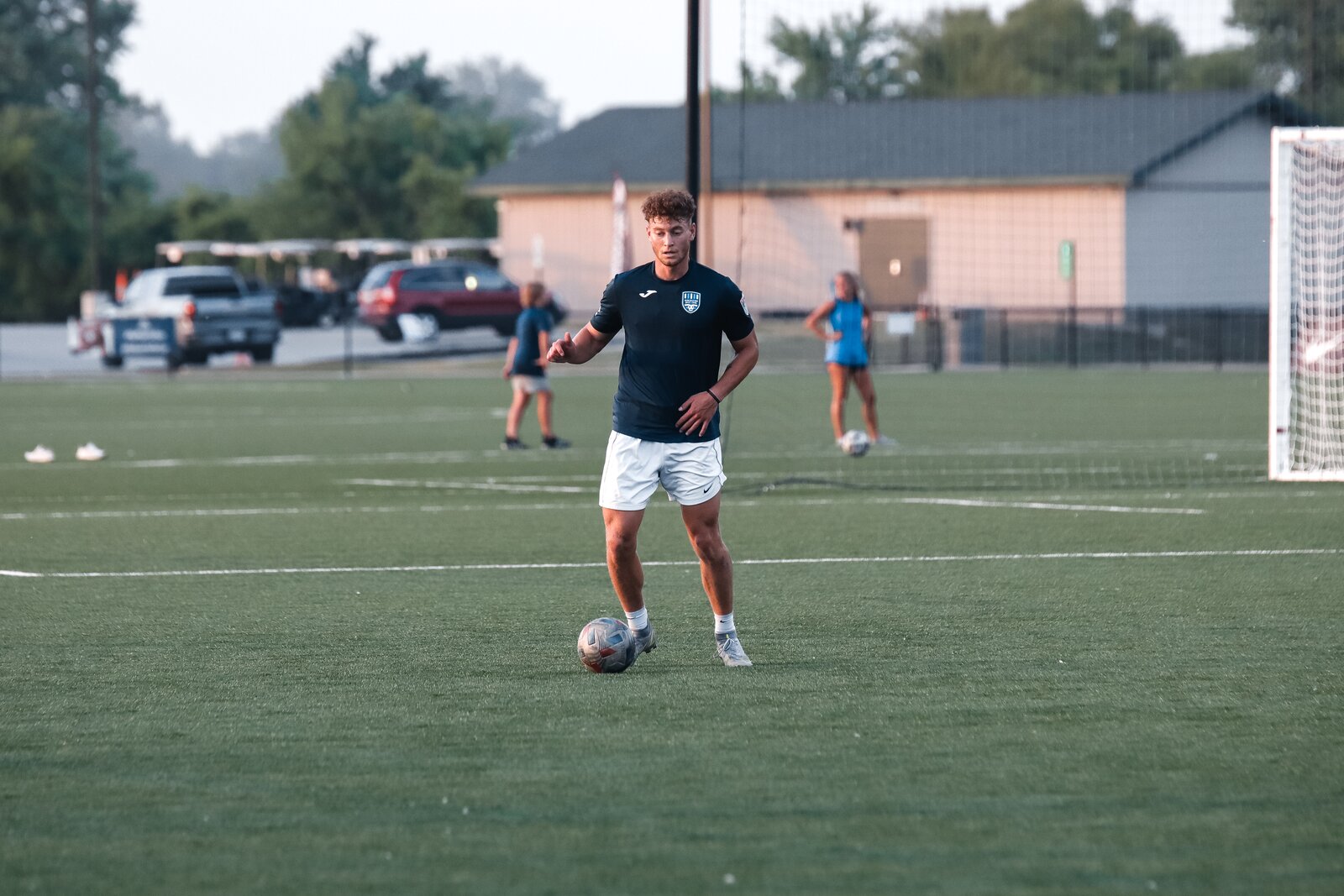
Every year, tens of thousands of college athletes finish their last game and walk into the rest of their lives. The body they spent the last fifteen years building has nothing scheduled for it. The discipline has nowhere to point. The default paths are narrow — coach, announce, work for the team, drift — and most of them lead away from the thing that actually made the sport matter in the first place: the competition.
Noah Henry played soccer for close to two decades. Club, school, travel, four years of college at Quincy University. After the last college whistle he tried the semi-pro path. He took a job with the St. Louis Cardinals on the operations side. He built a creative practice that now serves Nike, Bridgestone, Oakley, ASRV, Mazda, and Catalyst. And he picked up golf.
The exact path is not the point. The point is that he kept picking new ones until he found a sport again.
“I want those moments back. I want to experience that again.”
The Bad Defaults
The conventional retirements for a college athlete are easy to find and easy to fail at. Coaching means treating the discipline as your job; it does not give you back competition. Sports media means storytelling about other people’s games. Working inside a pro franchise — an industry famously brutal on the operations side, where coveted roles routinely pay below market — means proximity to the sport, not participation in it. None of these scratch the itch that wakes a competitive athlete up at five in the morning for fifteen straight years.
Noah tried two of them. He played semi-pro because the body still wanted to compete and college had not been the ceiling. He took the Cardinals job because the proximity felt right. Neither was the answer. The honest read is that both were necessary steps toward figuring out that the answer was somewhere else.
The Better Template
The version that works, for the athletes we have seen build something sustainable after college, is three things stacked:
- Pick another sport. Not a hobby. Something with a scoreboard. Something you can fail at publicly. Something with the same loop — train, compete, recover, train — that your body already knows what to do with.
- Pick a brand to align with. Athletes do not get full sponsorship checks anymore unless they are on a tour, but they can build adjacent businesses — content, coaching, products, services — and the brand alignment is the leverage that makes those adjacent businesses real.
- Train like you mean it. The body that practiced one game for fifteen years still wants the work. Structured programming is the language it speaks. Treat the gym the way you treated practice in college.
Noah is in the middle of running this template. The sport is golf. The brand work is already happening: his portfolio reads like a roster of the brands an athlete actually wears, drives, and trains in. The training piece is where DRVN comes in — he is putting his own body through the Golf Fitness Handicap™, on camera, as the baseline he will train against alongside the work on his swing.
Why Golf Is the Right Second Sport
For an ex-team-sport athlete, golf is one of the best second sports on offer. It scales endlessly — from local nines into competitive amateur play into professional paths if the talent is there. It is technical enough to satisfy the part of you that liked practice more than games. It is physical enough to reward serious training. And it does not require a franchise or a roster to play; you can decide tomorrow morning to take it seriously and start.
The reason golfers in their twenties and thirties do not always realise the sport is asking athletic things of them is that the broader culture has coded golf as recreational. The body that played college soccer knows otherwise inside two range sessions.
Why DRVN
Most of the Certified Pros in the DRVN network came in as coaches. Noah is in the program for a different reason. The work of moving golf-as-fitness into the culture is half coaching and half storytelling, and the storytellers belong in the credential too. He is here as a Certified Pro and as a creator, and the relationship runs in both directions: DRVN gets an athlete-creator with a real aesthetic and a real audience to help reach golfers who would not otherwise come into the brand; Noah gets a credentialed framework to train against and a brand to align his own work with as he figures out what version of competitive golf he wants to chase.
For the next wave of athletes who finish their last game and start asking what their bodies are for, this is one of the doors. Noah is one of the first people they will see when they walk through it.
Find Noah Henry
Noah Henry is based in St. Louis, Missouri, and is a DRVN Certified Pro and creator in the DRVN community. See his creative work at noahhxnry.com or follow him on Instagram. View Noah’s profile or find a certified coach near you in the DRVN Golf directory.
Related Articles

How Derek Rebuilt His Body Around Golf
Derek Lacelle has spent three decades reshaping what it means to compete — junior golfer, personal trainer, CrossFit competitor, military sports coordinator. Golf fitness is his latest form, and DRVN is how he sustains it.
Read
Mariah Swigart Is Making Golf Move Different
How Phoenix coach and creator Mariah Swigart built a career where fitness ties everything together — from Putt and Pilates clinics to a 56,000-strong following — and why she added the DRVN Certified Pro credential to back it up.
Read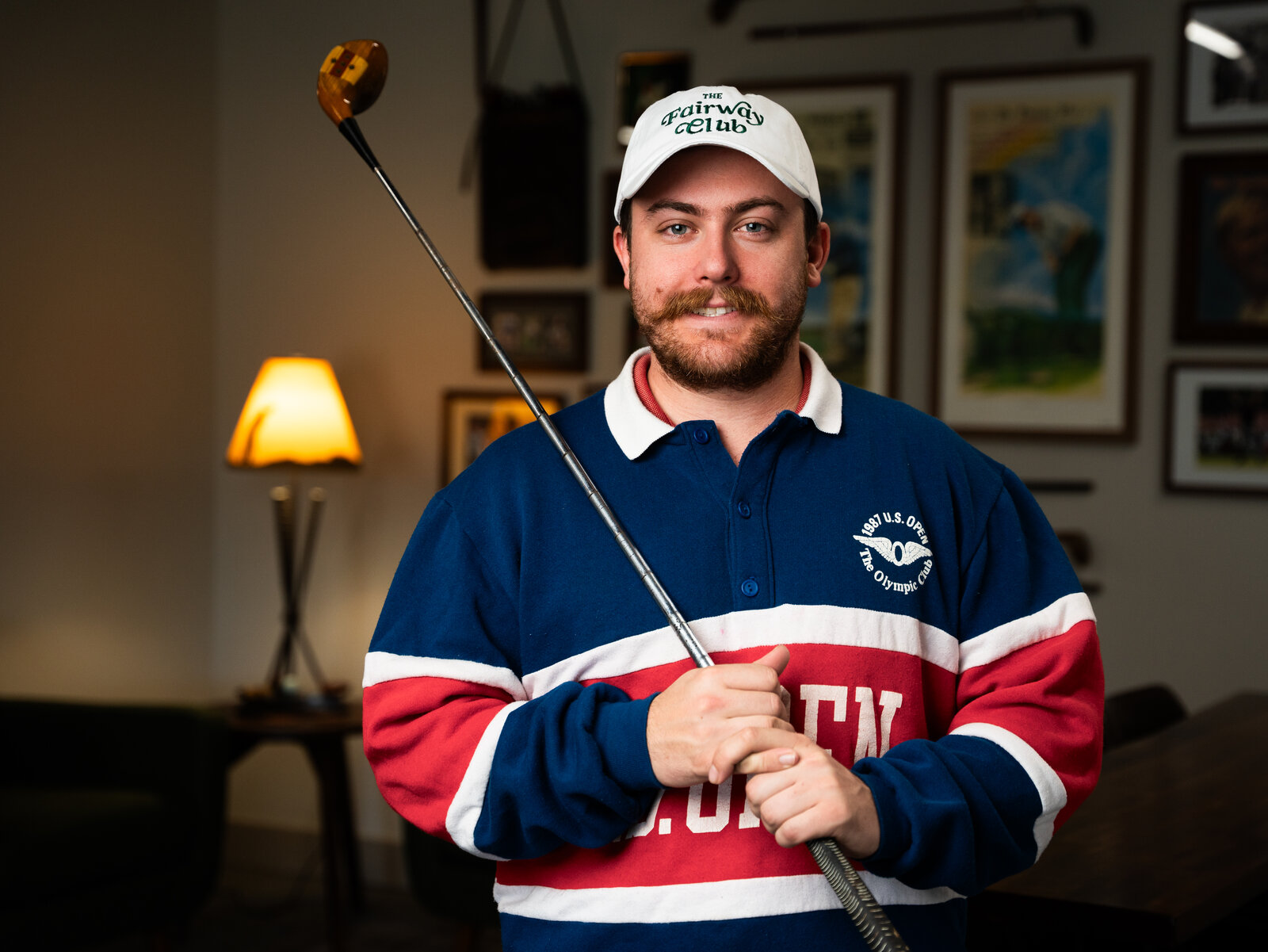
He Quit Golf for Three Years. Then He Built Fairway Club.
How Logan Dahmer walked away from golf, came back through coaching, and built Fairway Club — a vintage-feeling, four-bay simulator studio in Lee's Summit and a new DRVN Partner Facility serving the greater Kansas City area.
Read