
Golf Stretching Routine: The Complete Guide for Golfers
A complete golf stretching routine — what to do before a round, after a round, and daily to build lasting flexibility. With printable routine and DRVN app integration.
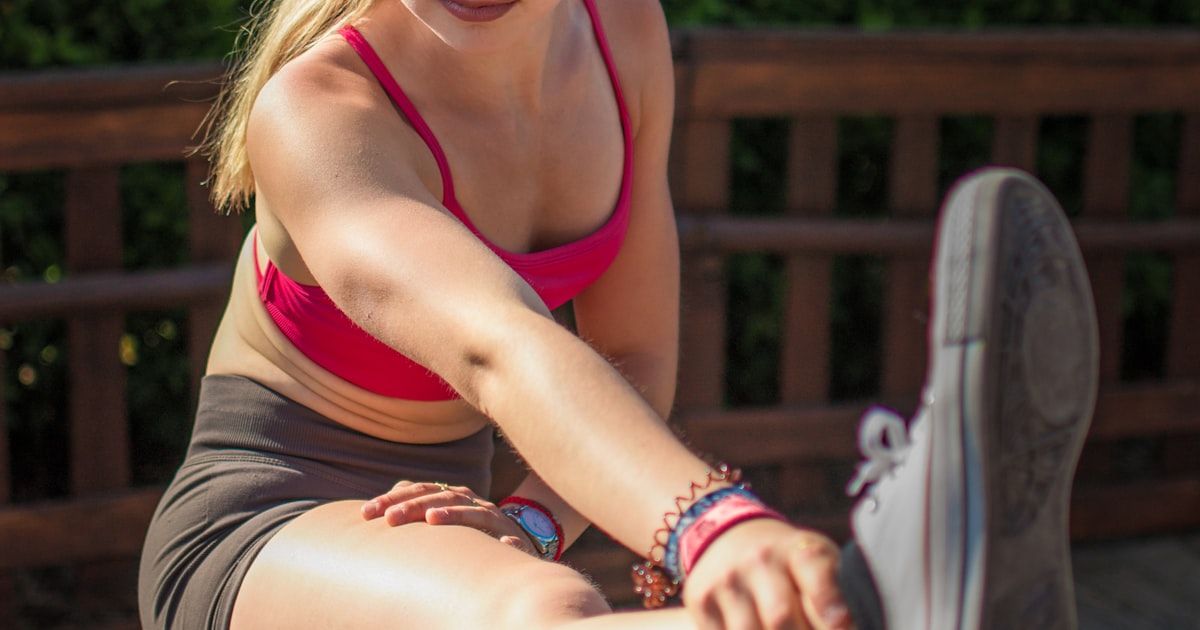
Golf stretches aren't just a warm-up ritual. A consistent golf stretching routine builds the range of motion your swing needs, reduces injury risk, and — when combined with strength training — directly translates to more clubhead speed and more consistent ball-striking.
This guide covers three routines: what to do before a round, what to do after a round, and what to do daily to build lasting flexibility. Each routine is designed for golfers who want results, not just a checklist to run through on the first tee.
Why Golf Stretching Matters (and What Most Golfers Get Wrong)
The most common mistake golfers make is treating all stretching the same. There's a meaningful difference between dynamic stretching (active movement through a range of motion) and static stretching (holding a stretch for time). Each has its place — but using the wrong type at the wrong time can hurt performance.
Static stretching immediately before play has been shown to temporarily reduce power output and reaction time. This is the opposite of what you want on the first tee. Dynamic movement, by contrast, raises tissue temperature, activates the muscles you'll rely on, and increases neuromuscular readiness without any cost to power.
The rule of thumb: dynamic before, static after.
Pre-Round Golf Stretching Routine (6–8 Minutes)
Do this on the range or in the parking lot before your round. You need enough space to swing your arms and take a lateral step. No mat or equipment required.
1. Hip Circles — 10 reps each direction
Stand with feet shoulder-width apart, hands on hips. Draw large circles with your hips — clockwise for 10 reps, then counterclockwise. This activates the hip joint through its full range of motion before any rotation is demanded by the swing.
2. Lateral Lunge with Reach — 8 reps each side
Step wide to the right, bend the right knee, and reach your left arm across and down toward your right foot. Keep the left leg straight. Return and repeat on the other side. This mobilizes the inner thighs and hip abductors — the muscles that stabilize your lower body through impact.
3. Thoracic Rotation in Golf Posture — 10 reps each side
Take your address position (knees slightly bent, hips hinged, spine neutral). Place a club across your shoulders. Rotate your upper body as if completing a backswing, pause, then rotate to the other side. Focus on feeling the rotation come from your mid-back, not your lower back. This is the single most important pre-round movement for golfers.
4. Arm Swings — 15 reps each pattern
Standing tall, swing both arms across your body (horizontal plane), then swing them up and down (vertical plane). Let them move freely — this isn't a stretch, it's a warm-up for the shoulder complex before your first swing.
5. Ankle Circles and Calf Raises — 10 reps
Often neglected, ankle mobility affects ground contact through impact. Rotate each ankle slowly through its range, then rise up onto your toes and lower back down for 10 calf raises. This primes the foot-to-ground connection that drives force transfer in the downswing.
Post-Round Golf Stretching Routine (10 Minutes)
Your muscles are warm after a round — this is the best time to make lasting flexibility gains. Static holds at this point will actually improve your range of motion over time. Do this in the locker room or at home within 30 minutes of finishing your round.
1. Hip Flexor Stretch — 45 seconds each side
Step one foot forward into a lunge position. Lower your back knee to the ground. Shift your weight forward until you feel a stretch in the front of the rear hip. Keep your torso upright. Golf requires significant hip extension on every swing — tight hip flexors limit your finish position and contribute to lower back strain.
2. Supine Hamstring Stretch — 45 seconds each side
Lie on your back. Bring one knee toward your chest, then extend the leg toward the ceiling. Hold the back of the thigh (not the knee) and gently pull the leg toward you. Hamstring flexibility directly affects your ability to maintain spine angle through the swing.
3. Seated Glute Stretch (Figure-Four) — 45 seconds each side
Sit on the ground with one leg extended and the other crossed over it at the ankle. Gently lean forward until you feel the stretch in the crossed-leg's glute. Strong glutes are essential for golf, but tight glutes restrict hip rotation — this stretch addresses both sides of that equation.
4. Thread-the-Needle Thoracic Stretch — 8 reps each side
Start on all fours. Slide one arm under your body as far as it will go, rotating your upper spine. Hold for a breath, then return. This targets the thoracic spine — the segment of your back most responsible for rotation and the most commonly restricted in recreational golfers.
5. Doorframe Pec Stretch — 45 seconds each side
Stand in a doorframe, place one forearm on the frame at shoulder height, and rotate your body away. This opens the chest and anterior shoulder — tight pectorals limit shoulder external rotation and contribute to an over-the-top swing path.
Daily Golf Flexibility Routine (10 Minutes)
Pre- and post-round routines address the acute needs of playing. A daily flexibility routine is what actually changes your baseline range of motion over time. Four to six weeks of consistent daily work produces measurable improvements in thoracic rotation, hip mobility, and hamstring flexibility.
The five movements below, done daily, are the minimum effective dose for golfers who want to see a genuine difference in their swing:
1. Cat-Cow — 10 slow reps
On all fours, alternate between arching your back (cow) and rounding it (cat). This mobilizes the entire spine — particularly the lumbar and thoracic segments — and is the best single movement for reducing post-round lower back stiffness.
2. 90-90 Hip Stretch — 90 seconds each side
Sit on the floor with both knees bent at 90 degrees, one in front of you and one to the side. Lean over the front shin while keeping your spine long. This is the most effective position for developing the internal and external hip rotation that a powerful golf swing demands.
3. World's Greatest Stretch — 5 reps each side
Step into a lunge, plant your front hand on the ground, rotate your top arm toward the ceiling. This single movement hits the hip flexor, thoracic spine, groin, and shoulder in sequence — it's efficient in a way most single-joint stretches aren't.
4. Prone Cobra — 10 reps, 3-second holds
Lie face-down, arms at your sides. Press through your palms and lift your chest off the ground while squeezing your glutes. This strengthens and stretches the posterior chain simultaneously — particularly valuable for golfers who spend time at desks.
5. Half-Kneeling Thoracic Rotation — 10 reps each side
Kneel on one knee, opposite foot forward. Place both hands behind your head. Rotate your upper body toward the front knee, pause, return. The half-kneeling position locks the pelvis and forces the rotation to come from the thoracic spine. This is one of the most targeted drills for improving shoulder turn in the backswing.
How to Use the DRVN App for Golf Flexibility
The routines above are effective on their own. The DRVN app takes them further by providing video-guided mobility sessions, progressive programming that advances your routine as your flexibility improves, and integration with strength and speed training so every element of your fitness is connected.
Flexibility without strength doesn't produce swing speed. The app's programs sequence mobility, strength, and speed work in the order that produces the most carry distance and the most injury-resistant body over a full season.
If you want to understand where your body is starting from, the Golf Fitness Handicap™ gives you a baseline score across five physical categories — including mobility — so you can track improvement over time rather than guessing.
Frequently Asked Questions About Golf Stretches
What stretches should I do before golf?
Before golf, prioritize dynamic stretches that activate the muscles you'll use: hip circles, lateral lunges, thoracic rotations, and arm swings. Avoid static stretching immediately before play — it temporarily reduces power output. A 6–8 minute dynamic warm-up is all you need.
How long should I stretch before golf?
Six to eight minutes of dynamic movement is the right target. Longer isn't better — the goal is to elevate tissue temperature and wake up the kinetic chain, not fatigue the muscles before you've played a hole.
Does stretching improve golf swing?
Stretching improves golf swing indirectly — better hip mobility allows a fuller backswing, better thoracic rotation allows a more complete shoulder turn, and better hamstring flexibility reduces early extension. Flexibility alone isn't enough; pairing it with strength training produces the most measurable swing improvements.
Should I stretch after golf?
Yes. Post-round static stretching is ideal because your muscles are warm and pliable. Focus on hip flexors, hamstrings, glutes, and the thoracic spine. Holding each stretch 30–45 seconds improves flexibility over time and reduces next-day soreness.
What is the best daily golf stretching routine?
A 10-minute daily routine covering the thoracic spine, hips, hamstrings, and shoulders is enough to produce meaningful flexibility gains over 4–6 weeks. The DRVN app includes guided daily mobility sessions built specifically for golfers at every level.
Related Articles

April Is The Most Dangerous Month In Golf — Here's How To Stay On The Course
Millions of golfers leave their bodies dormant all winter, then expect full performance from the first swing of spring. Learn the three mobility pillars that prevent injury and add distance.
Read
2-Minute Golf Swing Mobility Test: How to Know Where You Stand
Most golfers guess at their mobility limitations. This 2-minute self-assessment reveals exactly which ranges of motion are holding your swing back — so you can train what actually needs work.
Read
Golf Stretches Before a Round: What Works and What Doesn't
Static stretching before golf hurts more than it helps. Here's the right pre-round mobility approach — and an 8-minute routine that actually prepares your body to swing.
Read